Introduction
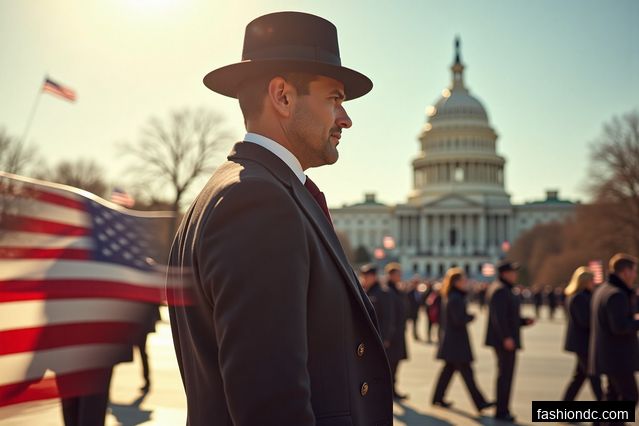
Nestled along the banks of the Potomac River, Washington D.C. has served as the backdrop for countless historical moments that have shaped the United States, and indeed, the world. However, the city's influence extends beyond politics and monuments. It has a rich and diverse fashion history that mirrors its cultural and political shifts. This blog delves deep into the tapestry of Washington D.C.'s fashion evolution, tracing its roots and the major milestones that have defined its aesthetic over the years.
The narrative of Washington D.C.'s fashion evolution is a captivating blend of political sensibilities, cultural influences, and social revolutions. It is a testament to the city's ability to shape and be shaped by the times. The journey begins in the early days of the city, explores the cultural renaissance of the mid-20th century, navigates the fashion innovations of recent decades, and ends with the current fashion scene.
As we delve deeper into the vibrant history and culture of Washington D.C., it becomes evident that the city's introduction is just the tip of the iceberg. From iconic landmarks like the Washington Monument to the rich tapestry of museums lining the National Mall, visitors are welcomed into a world where every street corner tells a story. Exploring the city's diverse neighborhoods and experiencing its thriving culinary scene further enriches the introductory experience, setting the stage for an unforgettable journey.
The Early Days: 1800s to Early 1900s
During the 1800s to early 1900s, Washington D.C.'s fashion reflected the city's political stature. Men wore tailored suits and top hats, while women adorned themselves in long, layered dresses and bonnets, mirroring European fashion trends. The city's fashion scene was largely influenced by the attire of political leaders. For instance, the ascot tie became popular after President Chester A. Arthur sported it in the 1880s.
However, the city's fashion began to evolve as the world entered the 20th century. The advent of the Suffrage movement saw a shift in women's attire. Women began to wear more practical clothing, such as shorter skirts and less restrictive corsets, reflecting their growing societal roles. This period marked the beginning of a more dynamic and progressive fashion scene in D.C.
In addition to reflecting political status, the fashion trends of the 1800s to early 1900s in Washington D.C. were also influenced by societal shifts. Women's attire, for instance, saw the rise of the hobble skirt, a tight-fitting garment that restricted movement and symbolized societal restrictions. This period also marked the emergence of tailored suits for women, challenging traditional gender norms in fashion.
The Cultural Renaissance: 1950s to 1970s
The mid-20th century ushered in a cultural renaissance in Washington D.C., significantly influencing the city's fashion evolution. The city became a hub for jazz, leading to a shift in fashion towards more flamboyant and expressive styles. Women wore bold prints, flared skirts, and high heels. Men sported Zoot suits, a style characterized by high-waisted, wide-legged trousers and long, wide-shoulder coats.
The 1960s and 1970s saw the rise of the hippie and counterculture movements. Fashion became a form of protest, with individuals donning tie-dye shirts, bell-bottom pants, and peace symbol accessories. These trends reflected the city's growing consciousness towards social and political issues, cementing its reputation as a fashion-forward city.
During the 1950s to 1970s cultural renaissance, iconic figures like Maya Angelou and James Baldwin emerged as influential voices in literature, challenging societal norms and paving the way for diversity in storytelling. This era also witnessed the rise of Motown Records, revolutionizing the music industry with legendary artists such as Marvin Gaye and Diana Ross. The fusion of art, music, and literature during this period created a dynamic cultural landscape that continues to inspire creatives today.
Fashion Innovations: 1980s to 2000s
The late 20th century marked a period of fashion innovation in D.C. The city's fashion scene diversified as it became more multicultural. The 1980s saw the rise of power dressing, characterized by wide shoulder pads and bold colors, reflecting the increasing presence of women in professional settings. In the 1990s, the grunge and hip-hop culture influenced D.C.'s streetwear, with baggy jeans, oversized shirts, and chunky sneakers becoming popular.
The 2000s witnessed a blending of high-end fashion and streetwear. Luxury brands like Gucci and Louis Vuitton became popular, while streetwear retained its prominence, reflecting D.C.'s unique blend of affluence and urban culture. This period also saw the rise of local designers and boutiques, contributing to the city's burgeoning fashion industry.
As the 1980s unfolded, the fashion industry witnessed a surge in power dressing, with bold shoulder pads and tailored suits dominating runways. This era also saw the rise of iconic designers like Gianni Versace, whose daring creations blurred the lines between fashion and art. Moving into the 1990s, streetwear made its mark, led by brands such as Tommy Hilfiger and Calvin Klein, shaping a more casual yet stylish approach to dressing.
The Contemporary Scene: 2010s to Present
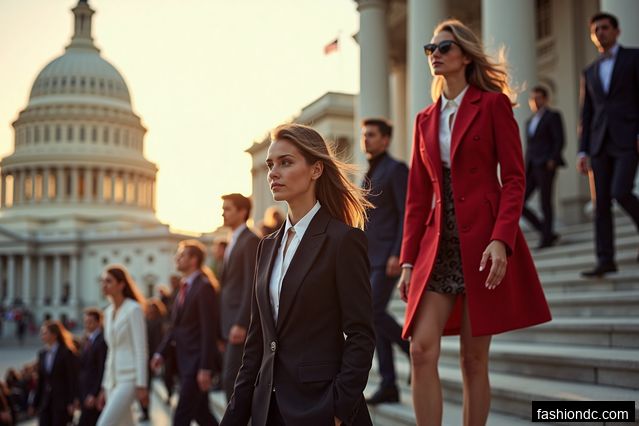
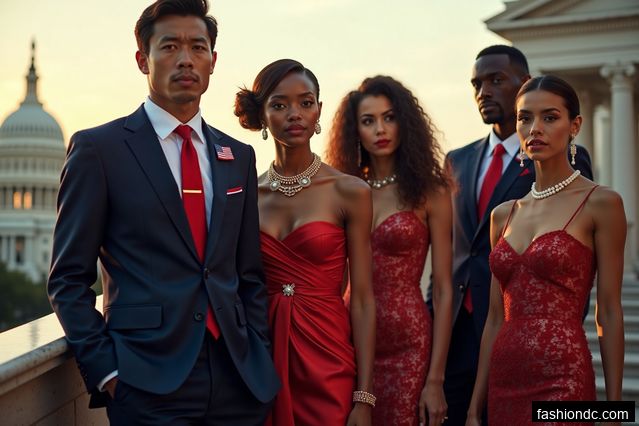
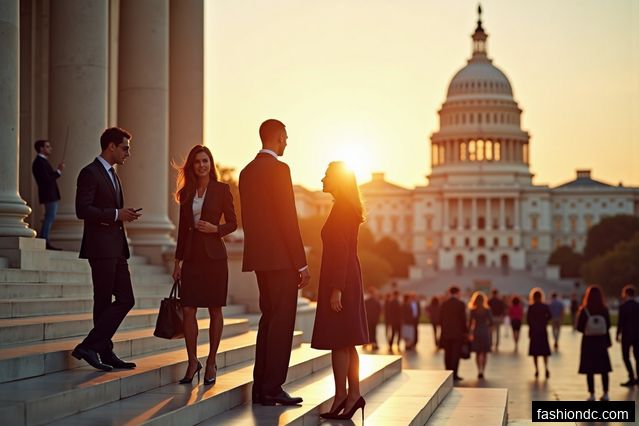
Today, Washington D.C.'s fashion scene is a vibrant mix of styles, reflecting its diverse population. The city's fashion is still influenced by politics, with individuals often dressing in business attire. However, the city has also embraced more casual and eclectic styles, reflecting the influence of various cultures and the city's vibrant arts scene.
Contemporary trends include athleisure, minimalist aesthetics, and sustainable fashion. The city has also seen a resurgence of vintage styles, with thrift and vintage stores gaining popularity. These trends highlight D.C.'s evolving fashion scene, characterized by its adaptability and inclusion of diverse styles and influences.
The fashion landscape from the 2010s to the present has seen a remarkable shift towards sustainability and inclusivity. Designers are now embracing eco-friendly materials and showcasing diverse body types on the runways. Iconic brands like Stella Mc Cartney have led the way by championing cruelty-free practices and advocating for ethical fashion. This conscious evolution in the industry not only sets a new standard but also resonates with the socially aware consumers of today.
Conclusion
The evolution of Washington D.C.'s fashion scene is a testament to the city's dynamic cultural and political history. From the early days of tailored suits and layered dresses, through the cultural renaissance and fashion innovations of the mid to late 20th century, to the vibrant mix of styles seen today, D.C.'s fashion narrative is a mirror to its societal shifts and progress. It's a reflection of the city's rich tapestry of cultures, influences, and experiences.
As fashion continues to evolve, so will D.C.'s fashion scene. The city's unique blend of political gravitas, cultural diversity, and innovative spirit will continue to shape its fashion narrative, offering a platform for creative expression and social commentary. As we move forward, one thing remains certain - Washington D.C.'s fashion evolution is far from over. To all the fashion enthusiasts: keep a keen eye on this city's style; it promises to be an exciting journey.
In conclusion, the vibrant fashion landscape of Washington D.C. not only reflects the city's diverse cultural tapestry but also serves as a platform for social and political expression. From the elegant styles seen at the annual White House Correspondents' Dinner to the unique street fashion along U Street, fashion in the capital city embodies a fusion of tradition and innovation, mirroring the ever-evolving identity of Washington D.C.