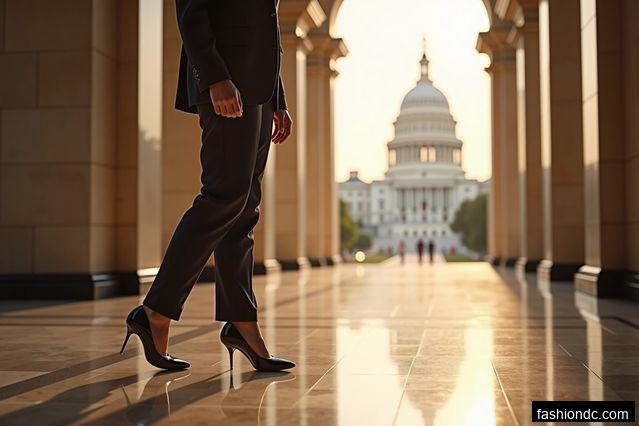


Introduction
Fashion, a quintessential aspect of our lives, is a reflection of our personality, individuality, and even ethos. It is an art-form that transcends borders, cultures, and time. It's a realm where creativity and ingenuity are celebrated. Washington D.C., the heart of America, is home to an array of outstanding fashion designers who have made significant contributions to the industry. This blog post provides an exclusive insight into the lives and works of these top D.C. fashion designers, offering an in-depth exploration of their design philosophies, artistic perspectives, and the challenges they've faced in their illustrious careers.
From timeless couture pieces that have graced international runways to ready-to-wear collections that define the city's street style, the fashion footprint of these designers is wide and impactful. As we delve into their narratives, we will uncover the secrets of their success, their sources of inspiration, and the role D.C. has played in shaping their creative journey. So, let's embark on this fashion journey, and let's meet these extraordinary individuals who are reshaping the fashion landscape.
In delving deeper into the realm of Fashion as introduced earlier, it becomes evident that this ever-evolving industry is not just about trends and styles but also a powerful form of self-expression. Fashion has the remarkable ability to communicate one's identity, beliefs, and values without saying a word. For instance, a person donning a vintage band tee may be expressing their love for classic rock music, while someone in a sleek business suit exudes professionalism and confidence.
Moreover, the Introduction to fashion also serves as a gateway to exploring the rich history and cultural significance behind various clothing styles. Each garment, accessory, or color choice has a story to tell, rooted in traditions, social movements, or even political statements. By understanding the context and narratives woven into fashion, we can appreciate the artistry and craftsmanship that go into creating each piece, transforming them from mere fabrics into meaningful symbols of creativity and self-awareness.
Designer One: The Maestro of Minimalism
First on our list is a designer renowned for his minimalist approach to fashion. His designs embody the philosophy of 'less is more.' By focusing on the essentials, his garments are characterized by clean lines, neutral tones, and a harmonious blend of form and function. An iconic example is his winter collection, which showcased a series of monochrome ensembles that encapsulated the beauty of simplicity. His elegant interpretation of minimalism has earned him a loyal following, making him a significant figure in the D.C. fashion scene.
Despite the seeming simplicity of his designs, the process is far from simple. Each piece is the result of meticulous planning, careful material selection, and exceptional craftsmanship. His dedication to sustainability has led him to use ethically sourced materials, making his designs not just aesthetically pleasing but also environmentally responsible. His work exemplifies how minimalism and sustainability can co-exist in the fashion industry.
Designer One, often hailed as The Maestro of Minimalism, continues to captivate fashion enthusiasts with his unparalleled ability to create beauty in simplicity. His signature style, characterized by clean lines, neutral color palettes, and exquisite tailoring, sets him apart in the world of haute couture.
One of Designer One's most iconic pieces, the ethereal silk slip dress, exemplifies his mastery of minimalism. The garment, seemingly effortless yet remarkably sophisticated, embodies the essence of his design philosophy. It speaks volumes with its understated elegance and serves as a testament to the notion that less is indeed more in the realm of fashion. Designer One's meticulous attention to detail and unwavering commitment to refined simplicity have solidified his reputation as a visionary in the industry, inspiring a new generation of designers to embrace the power of minimalism.
Designer Two: The Bold Innovator
Our second designer is a risk-taker, known for pushing boundaries and challenging traditional norms. With a bold, avant-garde aesthetic, her designs are a fusion of unexpected elements that create a powerful visual impact. A case in point is her spring collection, which featured a blend of vibrant colors, unconventional silhouettes, and innovative textile manipulation techniques. Her audacious approach towards fashion has garnered attention from fashion enthusiasts and critics alike, making her one of D.C.'s most influential designers.
She attributes her unique design perspective to her diverse cultural background and experiences. She believes that fashion should not be restricted by societal conventions and uses her designs as a medium to express this belief. Despite facing initial resistance, her unapologetic commitment to her design philosophy has paid off, proving that innovation is key in the ever-evolving fashion industry.
Our second designer, "The Bold Innovator," continues to redefine the fashion landscape with daring creations that challenge the status quo. From revolutionary fabric combinations to unexpected design elements, this visionary designer is never afraid to break the mold. One standout piece from their latest collection is a striking asymmetrical dress that seamlessly blends futuristic aesthetics with classic elegance, embodying their fearless approach to fashion. The bold color choices and unconventional silhouettes in their designs reflect a commitment to pushing boundaries and inspiring others to think outside the box.
Designer Three: The Champion of Inclusivity
Our third designer has been a game-changer in the D.C. fashion scene with his commitment to inclusivity. His designs cater to individuals of all shapes, sizes, and backgrounds, reflecting his belief that fashion is for everyone. His plus-size collection, for instance, received critical acclaim for its flattering silhouettes and stylish designs, debunking the myth that plus-size fashion cannot be trendy. His dedication to inclusivity has not only made him popular among consumers but has also raised the bar for diversity in the fashion industry.
He emphasizes that inclusivity in fashion goes beyond the designs themselves. It also involves representation in fashion shows, advertisements, and media. By championing diversity in all aspects of his brand, he has been instrumental in promoting a more inclusive fashion industry, proving that fashion can indeed be a force for positive change.
Our third designer, known as the Champion of Inclusivity, continues to revolutionize the fashion industry by promoting diversity in every collection. What sets Designer Three apart is their unwavering dedication to representing a wide range of body types, ethnicities, and gender identities on the runway. From featuring models of all sizes to collaborating with LGBTQ+ activists, this designer's work transcends mere aesthetics to make a powerful statement about acceptance and equality.
One of the most remarkable aspects of Designer Three's advocacy for inclusivity is their use of adaptive clothing designs. By creating pieces that cater to individuals with disabilities, this designer is not only breaking barriers but also reshaping the definition of high fashion. Through strategic partnerships with adaptive fashion organizations, Designer Three has successfully integrated functional and stylish elements into their garments, making fashion more accessible to a broader audience. With each collection, this trailblazing designer continues to challenge stereotypes and redefine beauty standards, proving that inclusivity is not just a trend but a fundamental principle of modern fashion.
Conclusion
Fashion is a dynamic, ever-evolving industry that reflects societal shifts and individual identities. Our exclusive interviews with D.C.'s top fashion designers have unveiled the creative minds behind the city's thriving fashion scene. Each designer, with their unique design philosophies and artistic approaches, has made significant contributions to the industry, leaving an indelible mark on the fashion landscape.
From embracing minimalism to championing inclusivity to pushing the boundaries of conventional norms, these designers have shown us what it takes to make it in the fashion industry. They serve as an inspiration for aspiring designers and fashion enthusiasts, reminding us that fashion is more than just clothes - it's a form of self-expression, a reflection of our times, and a powerful tool for change.
As we delve into the conclusion of this discourse on fashion, it becomes evident that the industry's dynamism is not merely a surface-level observation but a profound reflection of the ever-changing tapestry of society. The evolution of fashion is intertwined with historical events, cultural movements, and technological advancements, making it a living chronicle of our collective narrative. Take, for example, the rise of sustainable fashion in recent years, mirroring the growing global awareness of environmental issues and ethical consumerism.
Moreover, the conclusion of this exploration prompts us to consider the future trajectories of fashion. Will virtual fashion shows become the new norm, blending the digital realm with the physical runway? How will inclusivity and diversity continue to shape the industry, moving beyond token gestures to genuine representation? These questions invite us to ponder the transformative power of fashion beyond trends and aesthetics, highlighting its role as a cultural mirror and a catalyst for social change.