Introduction
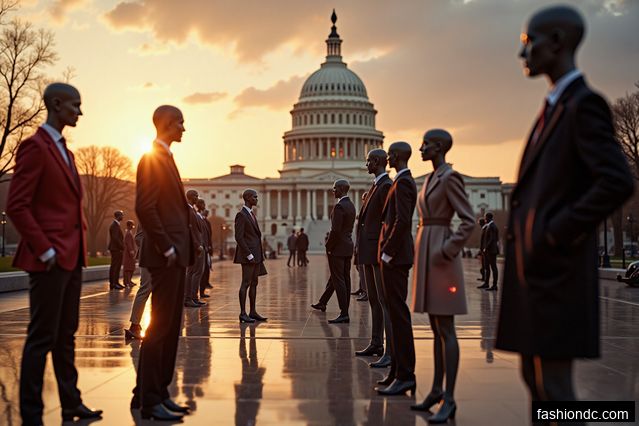
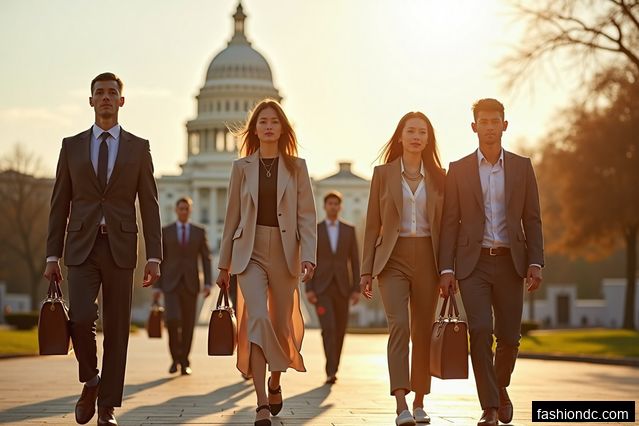
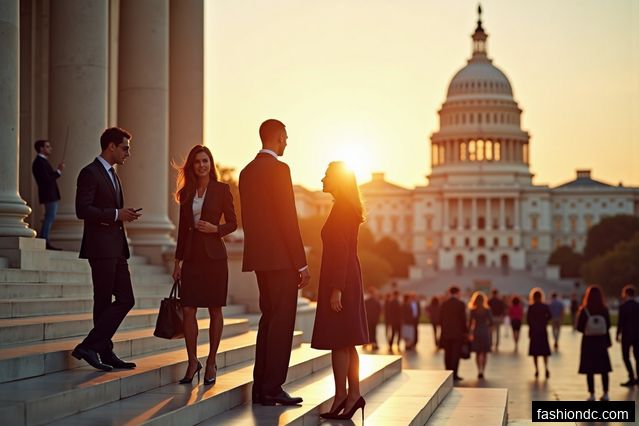
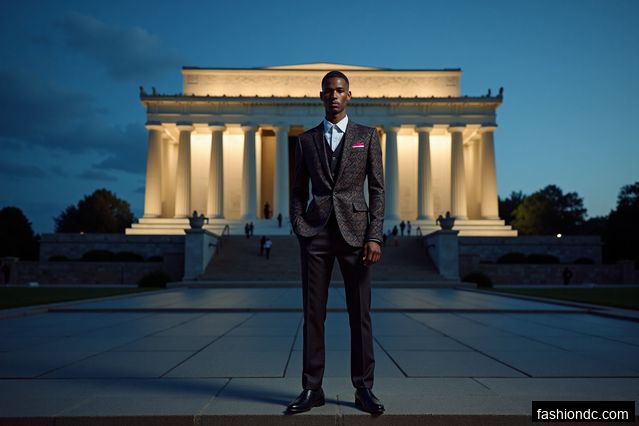
Fashion, a powerful tool for expressing identity and ideals, is heavily influenced by socio-political scenarios. This factor is especially evident in Washington, D.C., where political events and the presence of influential figures have a significant impact on prevailing fashion trends. The city's political landscape and high-profile events often serve as an impetus for change, shaping the fashion industry in unexpected ways.
In this blog post, we will delve into the intricate relationship between political events and fashion trends in D.C., discussing how political shifts can influence designers, consumers, and the overarching fashion industry. We will explore specific examples that highlight this interplay, providing a compelling and informative read for fashion enthusiasts and political aficionados alike.
In further exploring the captivating realm of fashion introduced earlier, it becomes evident that this intricate art form serves as a mirror reflecting societal norms and values. The Introduction highlighted fashion as a means of self-expression, but it also acts as a platform for cultural dialogue and activism. For instance, the rise of sustainable fashion movements not only addresses environmental concerns but also challenges the fast fashion industry's exploitative practices. Moreover, the integration of technology in fashion design showcases the ever-evolving nature of this field, where innovation meets tradition to create groundbreaking styles. By delving deeper into this dynamic industry, one can truly appreciate how fashion transcends mere aesthetics to become a powerful force shaping our world.
Inaugurations and Fashion Statements
Presidential inaugurations are more than political events; they're fashion showcases. The attire of the First Lady, in particular, often sets the tone for the next four years. Jackie Kennedy's elegant Oleg Cassini dress at the 1961 inauguration introduced a sense of sophistication and class to the White House, influencing fashion trends nationwide. Similarly, Michelle Obama's choice of a Jason Wu gown during the 2009 inauguration placed the designer in the spotlight, resulting in a surge in popularity for Wu's designs.
It is not just the First Ladies who make fashion statements. Newly elected presidents also influence fashion trends. President Kennedy's fondness for two-button suits led to a temporary decline in the popularity of three-button suits. The influence of these political figures extends beyond their tenure, often defining a particular era's fashion sensibilities.
Inaugurations have historically been defining moments for fashion designers and political figures alike. Who can forget Michelle Obama's iconic outfits at past inaugurations, setting trends and sparking conversations about style and symbolism? The choice of attire by the incoming president and first lady often carries significant meaning, reflecting their values and aspirations for the future. From color choices symbolizing unity to designers chosen to represent inclusivity, each detail speaks volumes about the administration's message. Fashion statements made during inaugurations not only captivate the public's attention but also serve as a visual representation of the ideals and direction of the new leadership.
Political Protests and Fashion
Political protests, too, shape D.C.'s fashion trends. The Women's March in 2017, for example, led to the proliferation of pink "Pussyhats." These hats became a symbol of protest against the Trump administration's perceived disregard for women's rights. The Black Lives Matter movement also influenced fashion, with many protestors and sympathizers choosing to wear all-black attire as a sign of solidarity. These demonstrations not only influence immediate fashion choices but also inspire designers to create collections that reflect the prevailing political sentiment.
Brands like Dior and Prabal Gurung have incorporated political messages into their collections, demonstrating how fashion can serve as a platform for political dialogue. This trend is especially prevalent in D.C., where the convergence of politics and fashion is part of the city's identity.
Political protests not only ignite social change but also serve as a powerful platform for fashion activism. Take, for instance, the recent climate strikes where participants creatively incorporated eco-friendly materials into their outfits, symbolizing their commitment to sustainability. This fusion of political statement and sartorial expression is revolutionizing the runway, with designers like Stella Mc Cartney championing ethical fashion in response to global movements.
The Influence of Political Figures
Political figures in D.C. often become fashion influencers due to their high visibility and influence. Michelle Obama, for instance, consistently made headlines with her fashion choices. Her preference for affordable brands like J.Crew and Target brought these brands into the limelight, influencing consumer behavior. Hillary Clinton's penchant for pantsuits sparked a resurgence in their popularity, especially among professional women.
On the other hand, President Trump's red tie became a symbol of his administration, influencing tie colors in D.C. and beyond. The fashion choices of D.C.'s political figures often reflect their personal brand and political ideology, making them a significant influence on the city's fashion trends.
Beyond fashion, the influence of political figures spans various spheres, including social media trends. Platforms like Twitter and Instagram have become vital tools for politicians to connect with the public and shape public opinion. From viral hashtags to engaging live streams, political figures leverage these platforms to communicate their messages and mobilize support. For instance, recent social media campaigns by prominent leaders have sparked national conversations and even influenced policy decisions. This digital presence not only amplifies their reach but also humanizes them in the eyes of the public, fostering a sense of relatability and accessibility.
Conclusion
In conclusion, the impact of political events on D.C.'s fashion trends is undeniable. Presidential inaugurations, political protests, and the personal style of political figures significantly shape the city's fashion landscape. By understanding this interplay, we can gain insights into how socio-political scenarios influence broader cultural trends, including fashion.
Moving forward, as we continue to observe the evolving political landscape in D.C., it will be fascinating to see how future political events and figures will influence fashion trends. For fashion enthusiasts, this dynamic interplay provides an interesting lens through which to view and understand the latest trends.
Expanding on the conclusion, it is essential to note that the influence of political events on fashion trends extends beyond D.C. and resonates globally. For instance, the attire worn by world leaders during significant events can set trends and inspire designers worldwide. The impact of political statements made through fashion choices is evident in the way certain looks become symbolic of larger movements or ideologies. In this context, analyzing the relationship between politics and fashion offers a deeper understanding of how clothing can serve as a form of expression and communication on a broader scale.